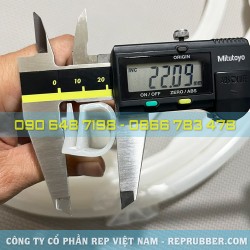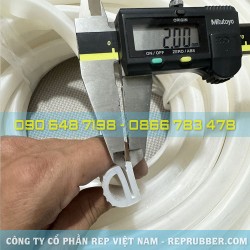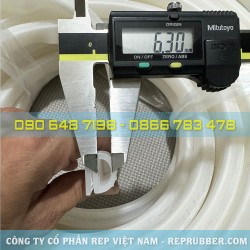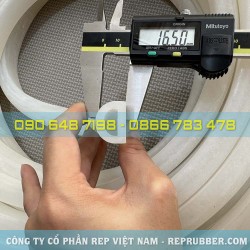
- Stock: In Stock
- Model: REPSI-TS
You Might Like
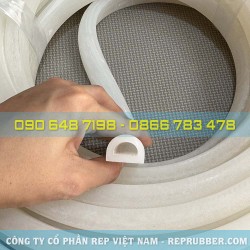
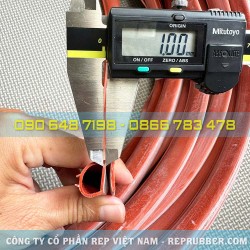
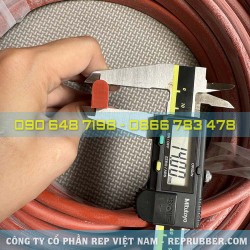
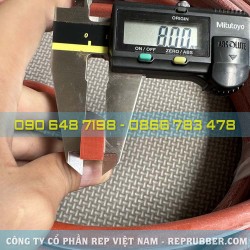
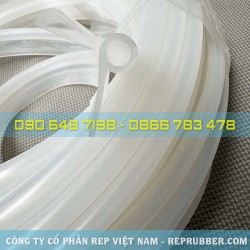
Silicone gaskets for drying cabinets, drying ovens and steam cabinets are molded sealing profiles installed between the equipment door and frame to help seal the internal chamber.
Depending on the equipment design, the gasket can help reduce heat and steam leakage while limiting the entry of dust or external contaminants.
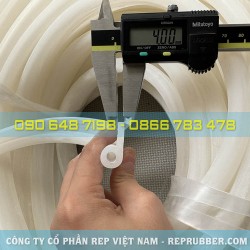
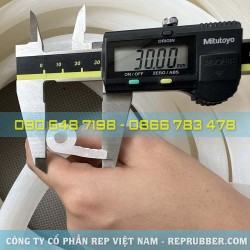
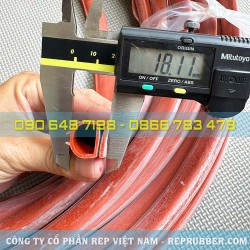
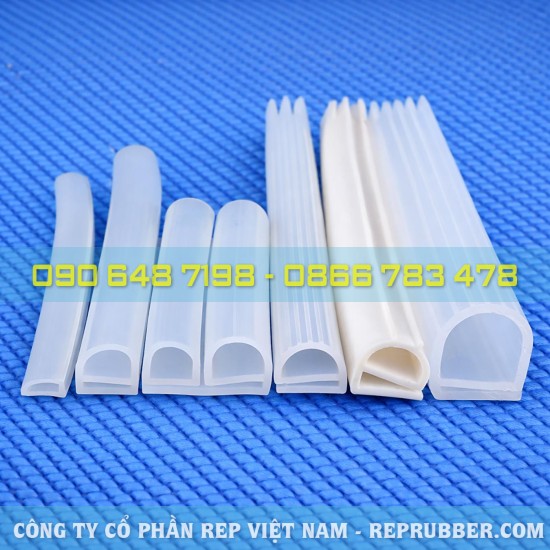
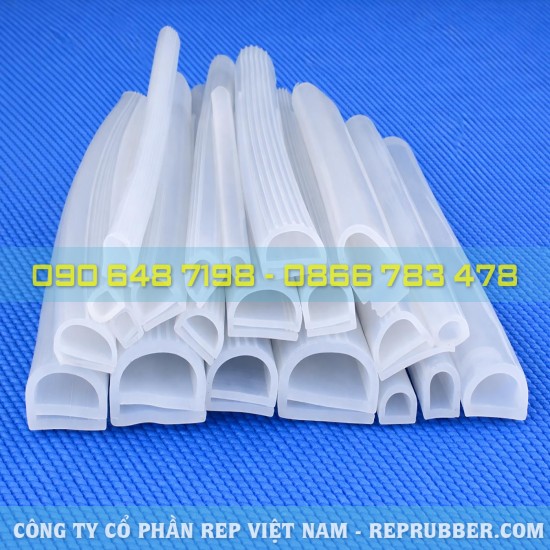
REP Vietnam supplies silicone sealing profiles in D, E and U configurations and can also manufacture custom profiles based on samples, drawings and required dimensions.
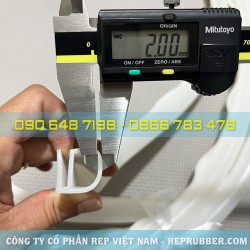
For replacement or OEM applications, customers should provide a physical sample, technical drawing or installation dimensions so that the correct profile can be identified
Silicone gaskets for drying cabinets, drying ovens and steam cabinets are sealing profiles installed around equipment doors and access openings.
Their primary purpose is to create an elastic contact between the door and frame. Depending on the equipment design, the gasket can help reduce heat loss, limit steam leakage and protect the chamber from external dust or moisture.
REP Vietnam supplies D, E and U silicone profiles and provides custom manufacturing based on samples, technical drawings and required dimensions.
Why Silicone Gaskets Are Used in Thermal Equipment
Thermal equipment operates under conditions that can place continuous demands on door seals.
A suitable gasket should be selected according to:
- Operating temperature.
- Heating and cooling cycles.
- Steam exposure.
- Chemical exposure.
- Compression.
- Door structure.
- Groove geometry.
- Required service life.
Silicone is widely used for molded sealing profiles because of its elastic properties and suitability for many thermal applications.
However, the performance of a particular gasket depends on its actual material formulation and profile design. A generic silicone temperature range should therefore not be assumed for every product.
Common Silicone Gasket Profiles
D Profile
A D-shaped profile provides a rounded elastic contact area and can be suitable for doors where the gasket is compressed against a relatively flat surface.
U Profile
A U-shaped gasket can be suitable for edge-mounted applications where the profile needs to grip or cover an edge.
E Profile
An E-shaped profile provides multiple contact sections and may be used where the sealing structure requires more than one contact point.
T Profile
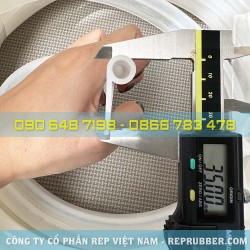
A T-shaped profile includes a base section that can help secure the gasket inside a dedicated groove.
The correct profile should always be selected according to the equipment design rather than simply choosing the most common shape.
Silicone Gaskets for Industrial Drying Cabinets
Industrial drying cabinets may operate through repeated heating cycles, making gasket selection an important part of equipment maintenance.
Before ordering a replacement gasket, customers should check:
- Door dimensions.
- Existing gasket cross-section.
- Groove dimensions.
- Compression method.
- Required gasket length.
- Operating temperature.
- Exposure to steam or chemicals.
REP offers dedicated silicone gaskets for drying cabinets, ovens and steam equipment, including custom D, E and U profiles.
Silicone Gaskets for Drying Ovens
Drying ovens are used in a variety of industrial processes, including material processing, component drying, coating and manufacturing.
The door gasket must maintain contact with the frame during repeated opening and closing.
If a gasket becomes cracked, hardened, flattened or permanently deformed, its sealing performance may be affected.
However, gasket condition is not the only factor. Door hinges, latches, frames and mating surfaces should also be inspected when leakage occurs.
Silicone Gaskets for Steam Cabinets
Steam cabinets introduce both heat and moisture into the sealing environment.
Therefore, selecting a gasket for a steam application requires consideration of:
- Temperature.
- Steam exposure.
- Pressure where applicable.
- Door compression.
- Gasket geometry.
- Silicone material.
- Cleaning conditions.
A gasket that works well in a dry oven should not automatically be considered suitable for a steam cabinet without checking the actual operating conditions.
Custom Silicone Gasket Manufacturing
REP Vietnam provides custom silicone gasket manufacturing based on samples and technical drawings.
Customers can provide:
- Existing gasket sample.
- 2D drawing.
- CAD drawing.
- Cross-section sketch.
- Groove dimensions.
- Required length.
- Material requirements.
- Color.
- Estimated quantity.
Custom manufacturing is particularly useful for industrial equipment where standard gasket sizes are not suitable.
Solid Silicone vs. Sponge Silicone
Thermal equipment may use either solid silicone or sponge silicone depending on the design.
Solid silicone and sponge silicone differ in structure and compression characteristics.
REP also supplies D and T sponge silicone profiles for applications where a softer and more compressible sealing structure is required.
The two types should not be treated as direct substitutes without checking the original equipment design.
When Should a Drying Oven Gasket Be Replaced?
Common signs include:
- Visible cracking.
- Loss of elasticity.
- Permanent deformation.
- Flattened profile.
- Uneven compression.
- Steam leakage.
- Noticeable heat loss around the door.
If any of these conditions appear, the gasket should be inspected together with the door mechanism and sealing surface.
How to Select the Correct Silicone Gasket
1. Identify the equipment
Specify whether the gasket is intended for a drying cabinet, drying oven, steam cabinet, autoclave or another thermal device.
2. Identify the operating environment
Provide temperature, steam, chemical exposure and cleaning conditions.
3. Identify the cross-section
A physical sample or drawing is the most reliable way to identify the profile.
4. Measure the groove
If the gasket is installed in a groove, measure the groove width and depth.
5. Measure the required length
Specify the total length or individual cut lengths.
6. Specify quantity
Provide the required quantity for maintenance or production planning.
Why a Physical Sample Is Useful
A sample allows the manufacturer to inspect the actual:
- Cross-section.
- Base geometry.
- Rounded sections.
- Contact surfaces.
- Signs of compression.
- Material structure.
- Overall dimensions.
For replacement applications without technical drawings, the physical sample can significantly reduce the risk of selecting an unsuitable profile.
Custom Manufacturing for OEM Customers
For factories and equipment manufacturers, custom gasket production can be organized around a standardized technical reference.
The reference may include:
- Product code.
- Cross-section drawing.
- Material.
- Color.
- Length.
- Tolerance where required.
- Packaging.
- Inspection requirements.
Once confirmed, this information can be used for subsequent production batches.
Ordering Process
Step 1 – Send equipment photos
Provide photos of the door, frame and gasket installation area.
Step 2 – Send a sample or drawing
A sample is recommended when the original drawing is unavailable.
Step 3 – Provide operating conditions
Specify temperature, steam, chemicals and other relevant conditions.
Step 4 – Confirm the profile
Determine whether the gasket is D, E, U, T or another custom shape.
Step 5 – Confirm length and quantity
This information is required for quotation and production planning.
Step 6 – Production
After the technical requirements are confirmed, REP can manufacture the gasket according to the agreed specifications.
Frequently Asked Questions
Are silicone gaskets suitable for drying ovens?
Silicone is widely used in thermal sealing applications, but the suitable operating range depends on the actual silicone formulation and product design.
Can an oven gasket be used in a steam cabinet?
Not automatically. Steam exposure and other operating conditions must be considered before selecting the replacement gasket.
Can REP manufacture gaskets from an old sample?
Yes. REP Vietnam provides custom silicone gasket manufacturing based on physical samples and technical drawings.
What profile shapes are available?
Depending on the application, D, E, U and T profiles can be considered, as well as custom cross-sections.
Can factories order customized lengths?
Yes. Required lengths and quantities can be specified during the quotation process.
Conclusion
Silicone gaskets for drying cabinets, drying ovens and steam cabinets play an important role in maintaining the sealing interface between equipment doors and frames.
Choosing the correct gasket requires more than checking the overall length. The cross-section, groove dimensions, compression, material and operating environment should all be considered.
REP Vietnam provides silicone gaskets for drying and steam equipment in D, E, U and T profiles, as well as custom profiles manufactured according to customer samples and drawings.
Contact REP Vietnam
REP VIETNAM JOINT STOCK COMPANY
Hotline: 090 648 7198 – 0866 783 478
Email: info@repvn.com – seller@repvn.com
Websites: reprubber.com – repvn.com – gioangcaosilicon.com